SUP stands for Stand Up Paddle: paddling while standing on a board. Naming one person as its inventor would be misleading. People paddled standing up long before the modern sport emerged.
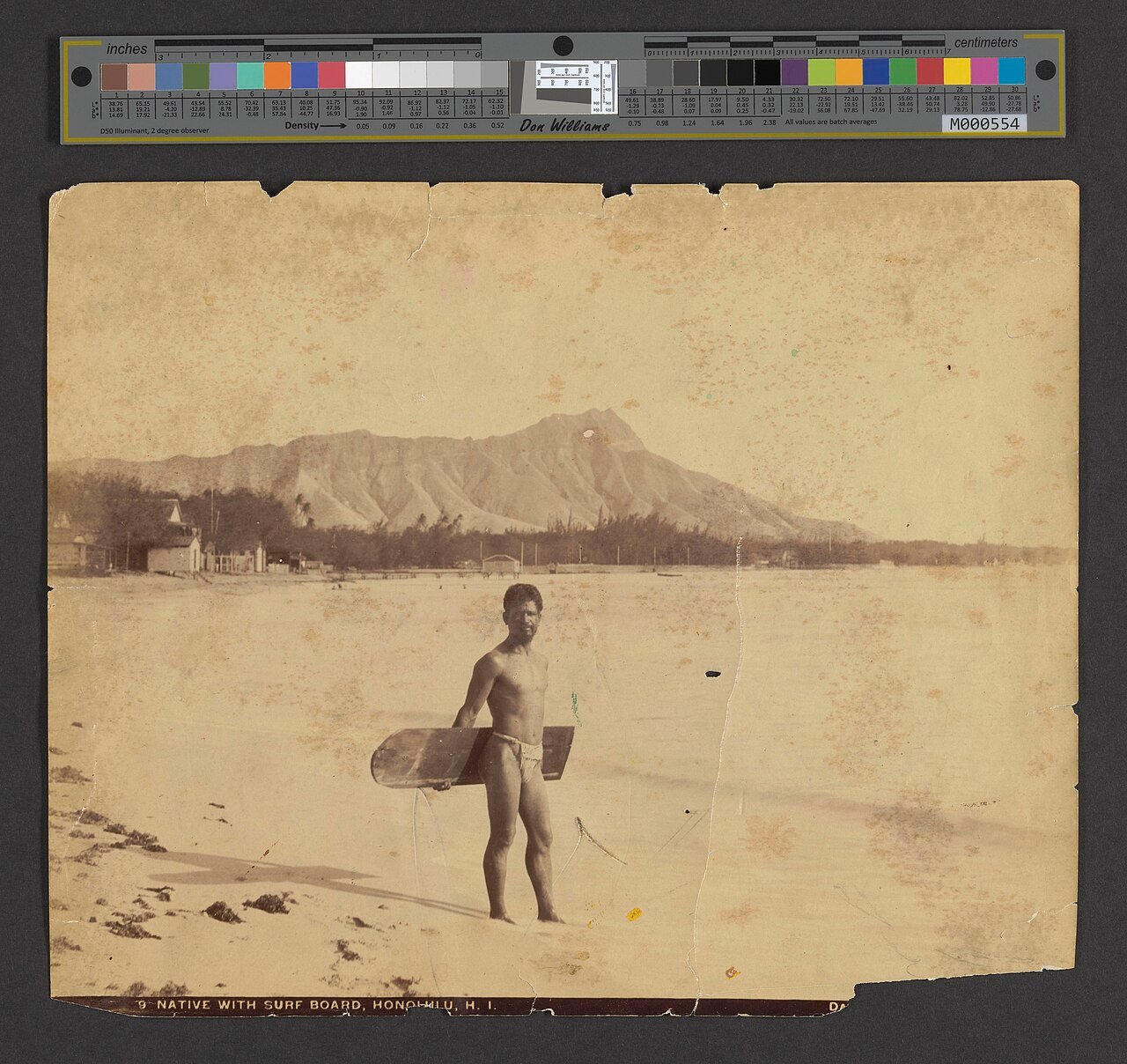
The history of modern SUP is closely linked to Hawaii. In the 1940s, Waikiki instructors stood on surfboards and used paddles. This helped them spot approaching waves and watch their students. The board was also a tool for their work.
A renewed wave of interest is associated with Hawaiian watermen Laird Hamilton and Dave Kalama. Their experiments with longboards and paddles helped bring the practice back into view. In 2004, the Buffalo Big Board Contest introduced a Beach Boy Surfing division.
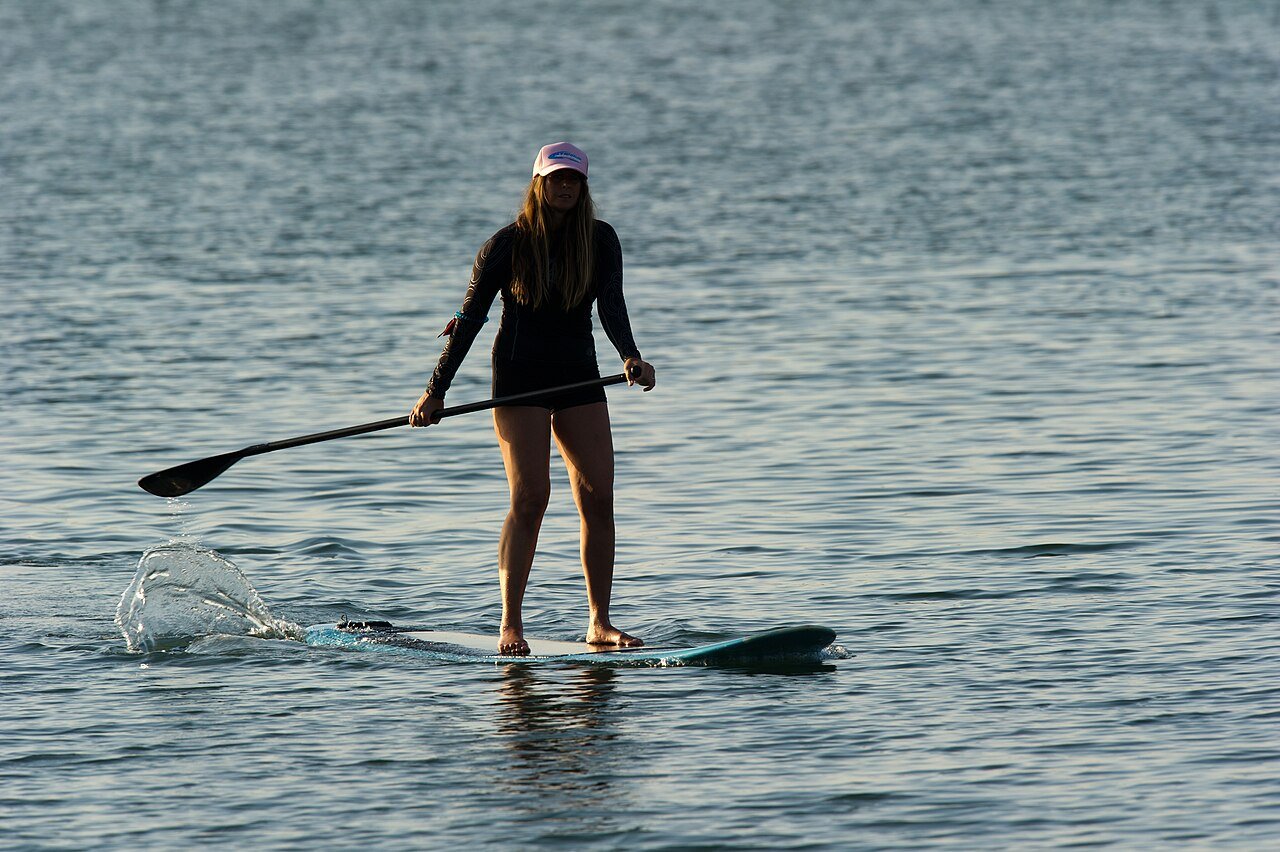
Over time, SUP spread beyond ocean waves. A paddleboard outing does not require surf: rivers, canals and lakes offer a different experience, with time to explore and see familiar shores from the water.
In Tigre, we especially enjoy SUP as a way to explore: leafy canals, good company and time outdoors. You can begin with an introductory lesson and get to know the board with an instructor.
Sources: Hawaiian Paddle Sports
Photo credits
- Hawaiian surfer with an alaia board: surfing history, not a photograph of SUP. Hawaii State Archives · Wikimedia Commons · Public domain
- Modern SUP in Long Beach, California. Bill Ebbesen · Wikimedia Commons · CC BY 3.0